The Internet & Its Double Standards
Over the years I’ve been posting my art online and worked to become a worthy advocate for bullying trauma and abuse, I have encountered countless ways the internet likes to turn its back to victims of bullying, making them feel like they are the problem. This is obviously true for all victims of any abuse, but there are aspects to this issue that make bullying victims a unique target of such demeaning treatment. For this particular instance of poor online behavior, I want to explore the concept of “the perfect victim” and the insane standards it places onto victims of bullying.
When we think about bullying as a type of abuse, most commonly we tend to go for the mental image of being verbally berated and attacked for something the abusive participant doesn’t like about their target. This is usually referred to as verbal abuse or verbal violence. As I have discussed on several occasions throughout the years, verbal abuse is not where bullying starts or ends, because the term encompasses the entire spectrum of violence and abuse tactics, but it does tend to be the most usual version of bullying victims are subjected to. Such verbal abuse includes, but is not limited to, things like name-calling, discriminatory language for members of marginalized communities, threats of violence and death, and public humiliation in the form of verbal assault.
Victims of bullying, particularly those who have been met with any form of verbal abuse, are met with unbelievably high standards in terms of the way they treat and talk to other people. On the internet, the general culture of online discussion is very mean-spirited and downright hostile, but those of us who have been open about our struggles with bullying are not allowed to take part in such discussion. Granted, a lot of us do tend to stay away from confrontational online discourse in general and for the sake of our well-being, but even instances that are not confrontational or controversial in any way, we get policed to hell and back for our choice of words.
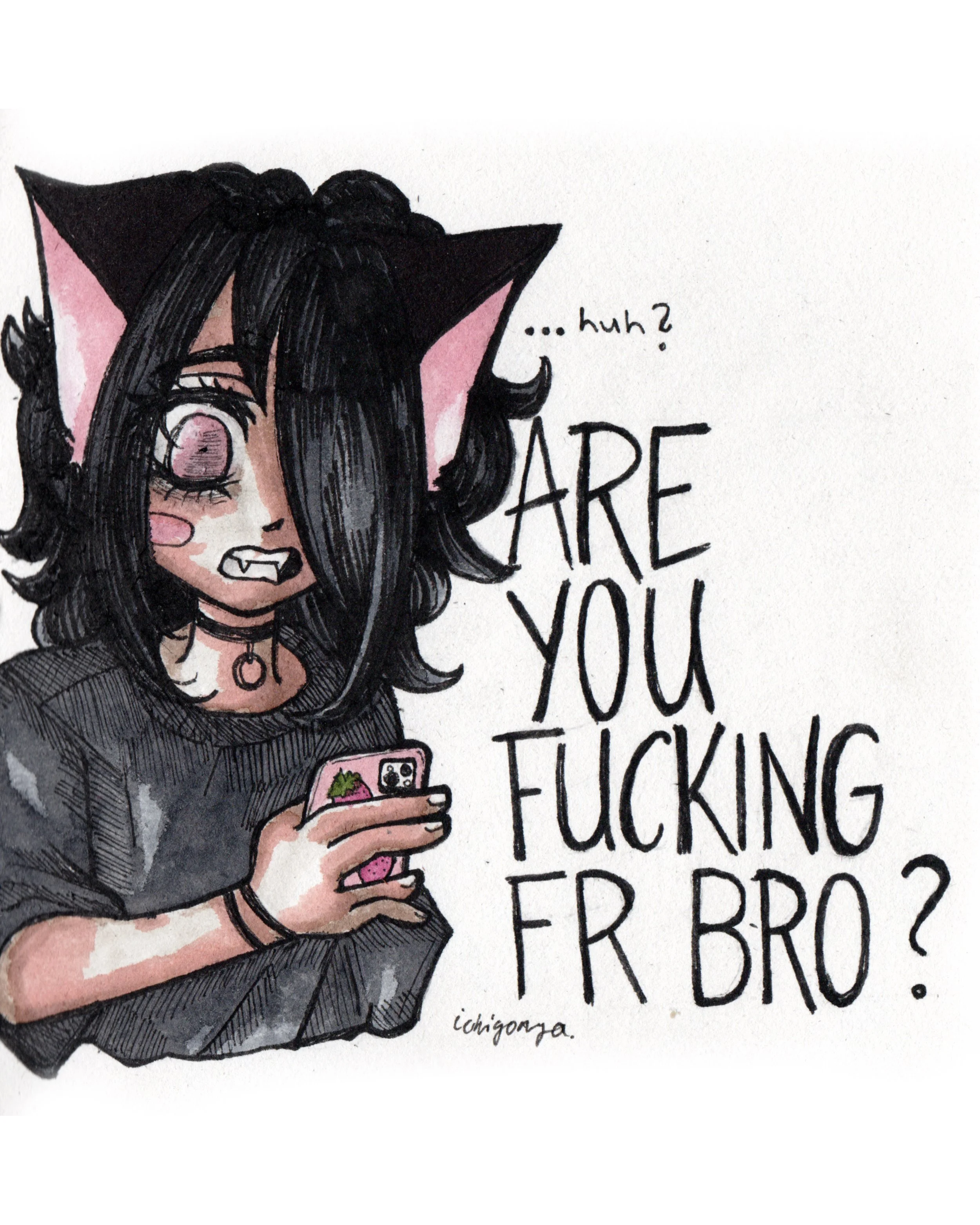
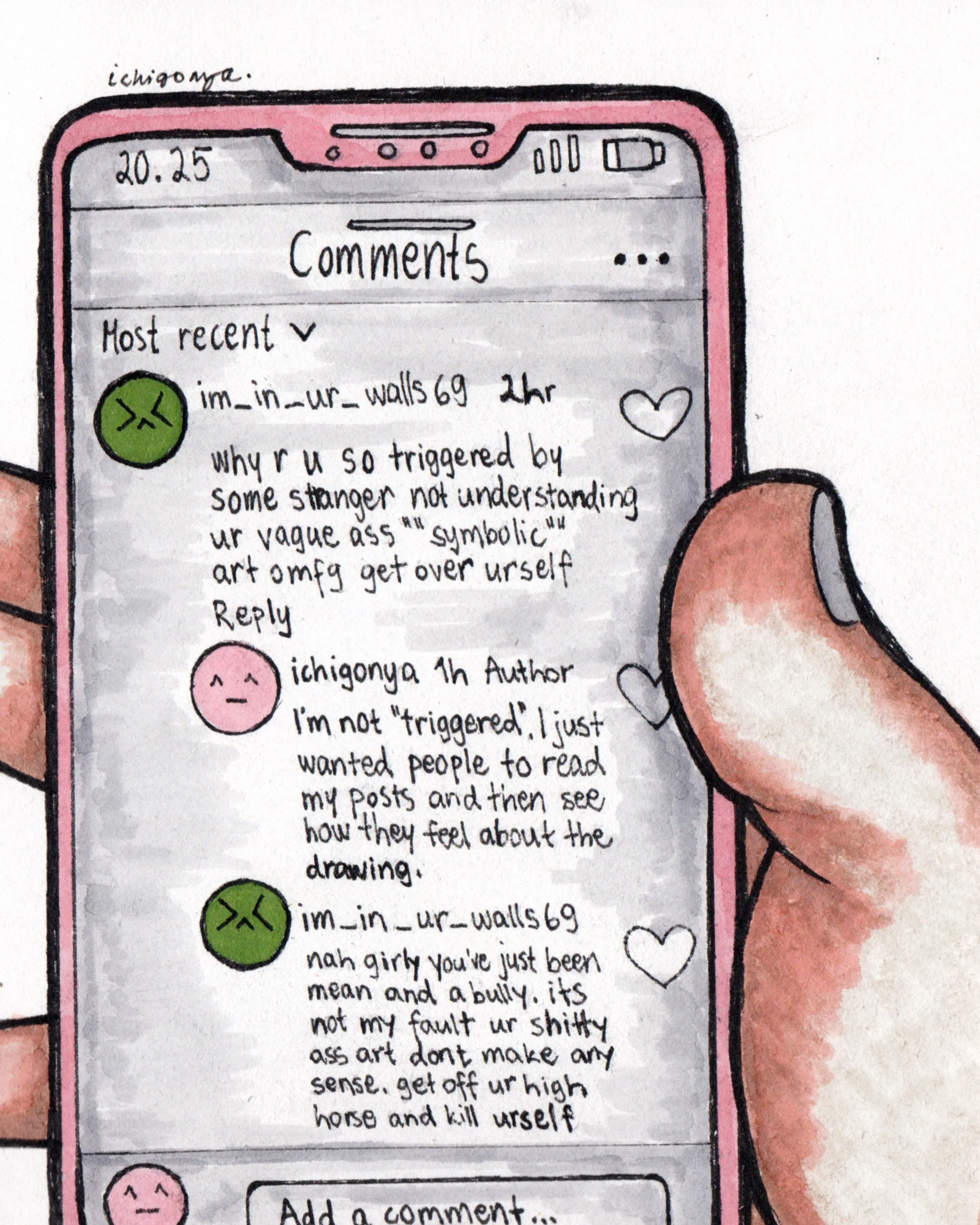
Tone policing is a huge problem that many victims of abuse face, particularly those who also happen to be neurodivergent in some way, for example being on the autistic spectrum. Tone policing is designed to control the way victims of abuse and oppression talk about their lived experiences of being a social outcast in a society that only values conformity and conventional attractiveness. If you even dare to be a bit more stern or blunt in your wording, the situation gets turned against you, and you are the one at fault. What is even more common for victims of bullying in these instances, is that we are called “bullies” for doing absolutely nothing. When a victim of abuse is being portrayed as the abuser because of their tone or words of choice when talking about anything related to their experiences as a victim, we fall into the mental trap of “the perfect victim”.
In order for you to be a perfect victim of any type of abuse, you have to be completely morally pure with no character flaws. Any perceived flaw you might have can be turned against you and used as ammo to justify the abuse you’ve been through. This is particularly true for victims of bullying and discriminatory abuse such as homophobic, transphobic, racist, xenophobic, and ableist abuse. You have to be the perfect little angel that has never done anything morally dubious or controversial, and if you don’t reach these standards, the abuse you were subjected to is immediately blamed on you, or you get portrayed as the abuser of some innocent bystander that happened to cross your way one day.
I wish I could count all the times I have been called the bully in my life for doing nothing else but standing up for myself. Victims of bullying are always told to defend themselves, but when we actually do that, we get called the abuser of a situation that wasn’t abusive in the first place. There is a lot of nuance to this topic, including the topic of bullying being classified as a “perception-defined abuse form”, which is something that the presumed victim can decide for themselves however they please, even when no actual abuse has taken place. This is one of the reasons bullying gets hijacked so easily in online conversations, which in turn, leads to it not being taken seriously in the cases where it absolutely should be. There are as many reasons for why this happens as there are victims of bullying.
The internet is an incredibly unforgiving place. No matter what you do as a victim, you will always get painted as the bad guy, even when you do exactly what you’ve been told to do all your life to save you from any further abuse. Even something as miniscule as explaining the symbolic meaning behind your art can make some asshole so pissed they decide to call you an abuser because of it.
Fearful,
ichigonya